Two survivors, one family
They tried to end their families. Together, they carried life forward.
Révérien and Jeanne were both children when the Genocide against the Tutsi changed their lives forever.
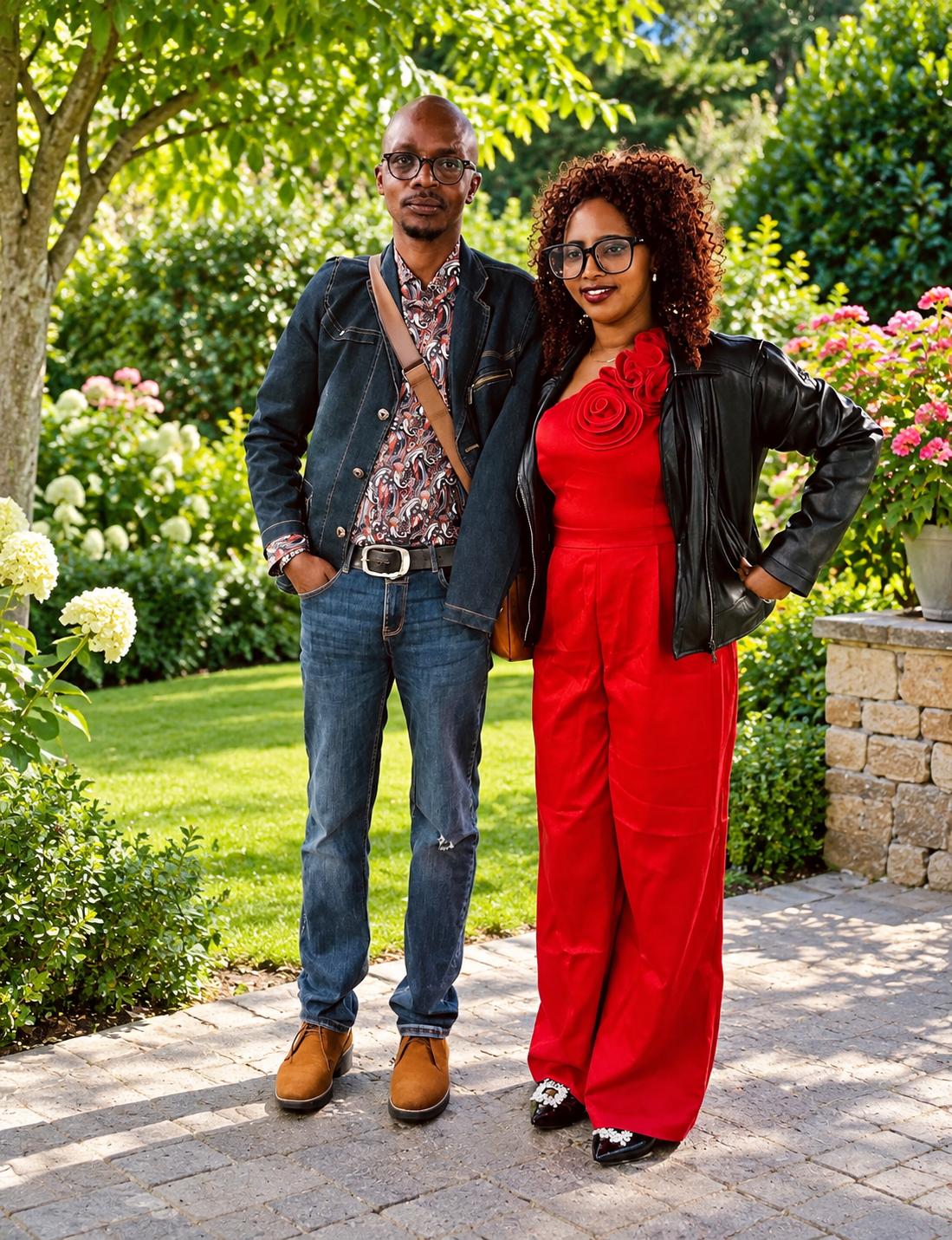
In April 1994, 43 members of Révérien's family were murdered on a hill in Mugina. He was fifteen years old, gravely wounded, and left for dead.
Jeanne was only five. She lost her father and her older sister. Her mother was left widowed, carrying the responsibility of protecting and raising the family that remained.
Révérien and Jeanne survived different tragedies, but both grew up carrying the absence of people they loved. Years later, they found one another.
This is the story of two survivors who chose to build a life together — not by forgetting the past, but by carrying memory into a new generation.
The last one left
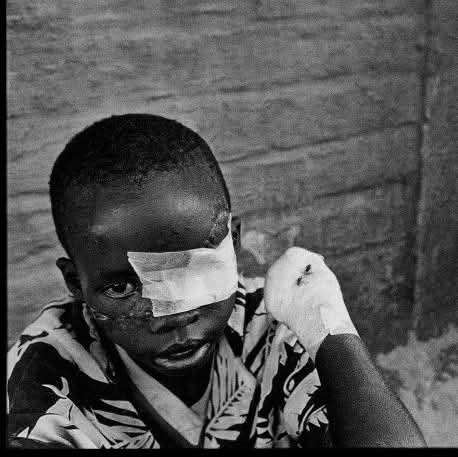
He was fifteen. When the killing stopped, he was the only Rurangwa still breathing on that hill — a boy with his face opened by a machete, counting a family in the past tense.
Surviving is not the same as living. For years afterwards, happiness felt like a country he had been exiled from: the guilt of a good morning, the ache of a birthday, the reflex of counting who is missing at a table.
Two survivors, one shared future
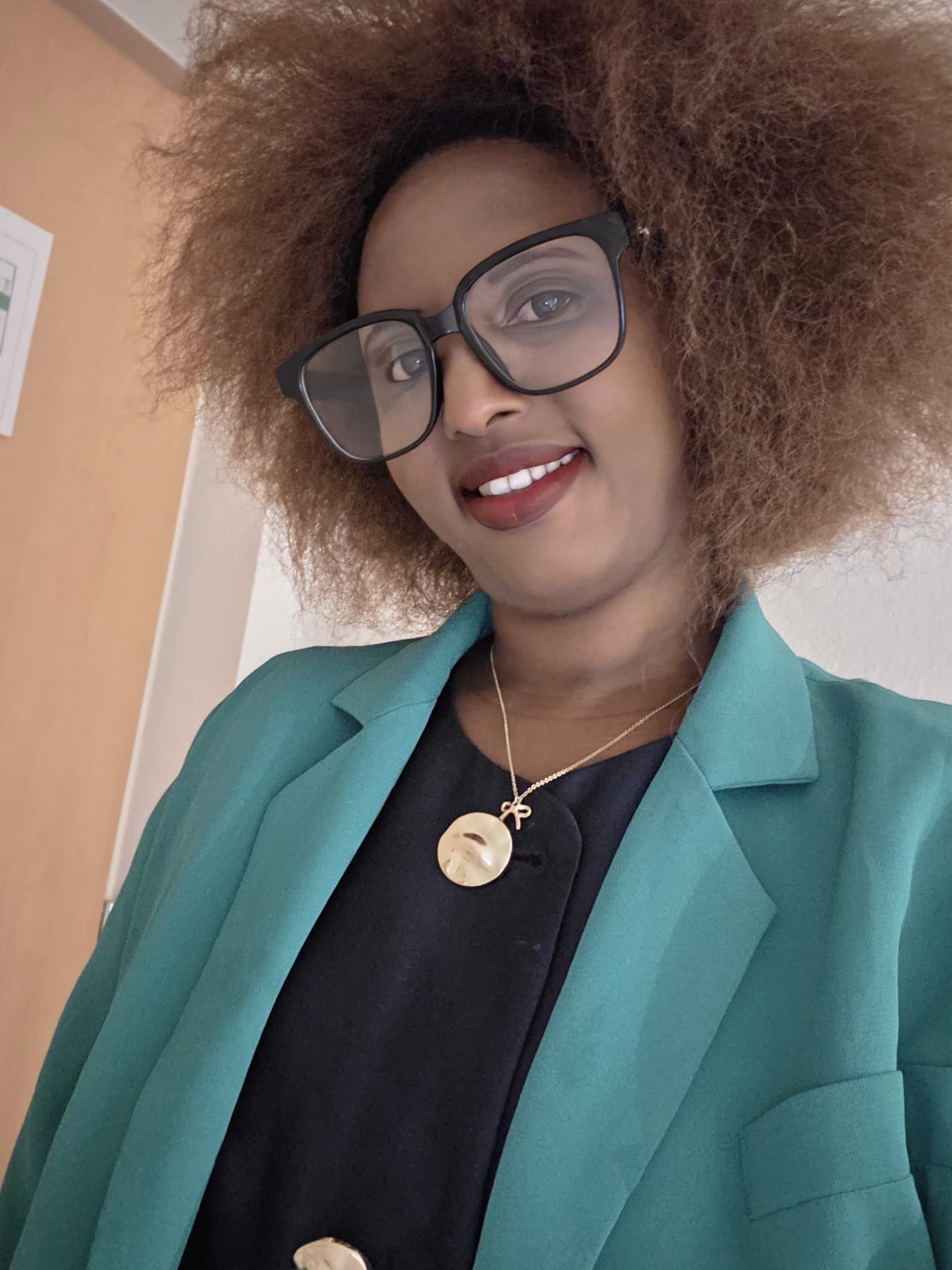
Jeanne did not enter Révérien's life as someone untouched by genocide. She was five years old when her father and older sister were murdered during the Genocide against the Tutsi. Her mother was left a widow, and Jeanne and her siblings grew up in a family forever shaped by their absence.
Jeanne understood that grief does not simply disappear with time. She knew what it meant to love people whose voices survive only in memory. She also understood the courage required to continue living after a family has been torn apart.
When Jeanne and Révérien found one another, neither asked the other to leave the past behind. They made room for both families — the people they lost, the mothers and siblings who endured, the memories that remained painful, and the stories that needed to be preserved.
Their relationship was not about one person rescuing the other. It was about two survivors recognizing one another and choosing to build a future together.
Slowly, they created a home where grief could be acknowledged without controlling every moment, where laughter did not require an apology, and where love became another way of resisting what had been done to them.
A child carrying both families forward
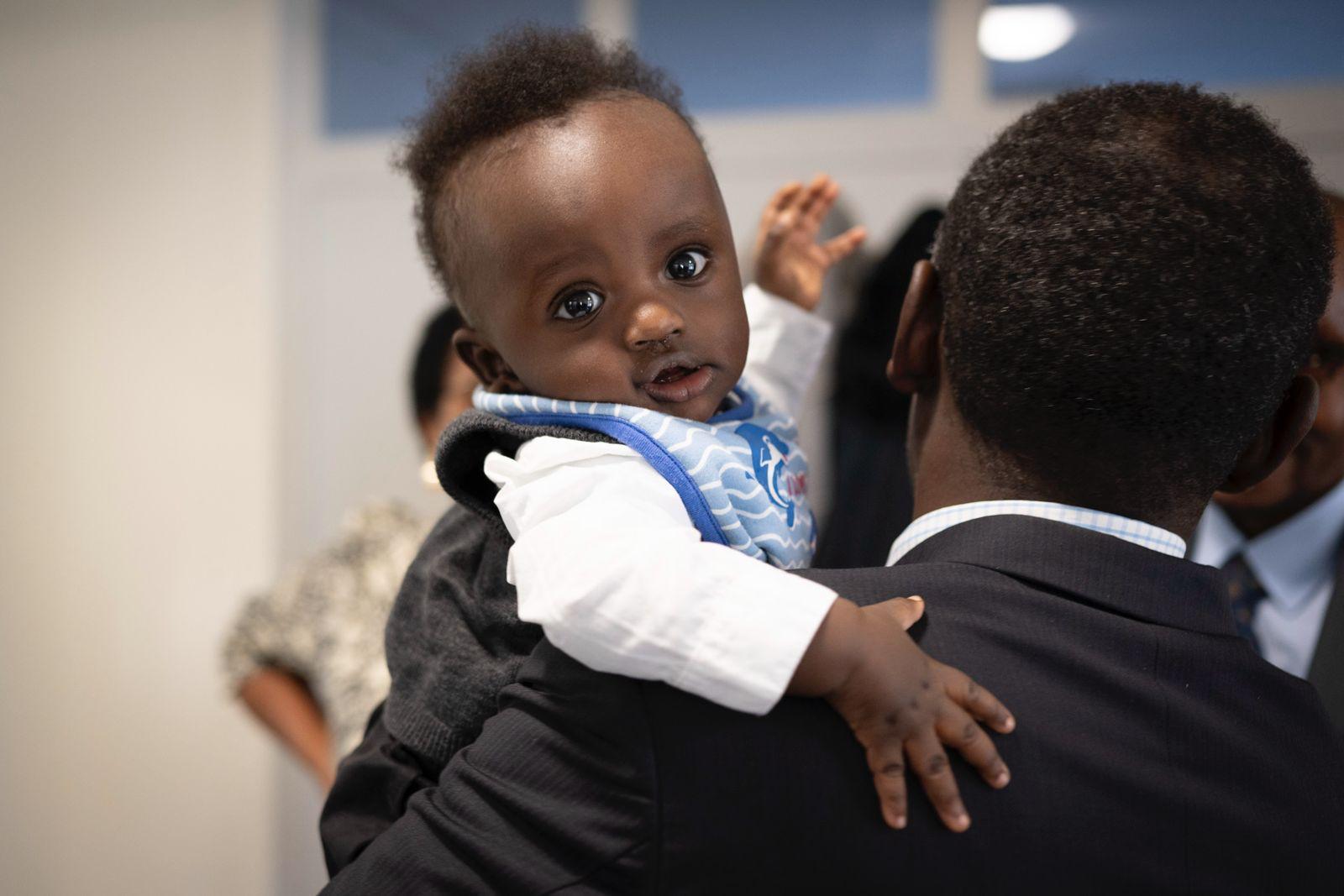
The birth of their son, Ethan, joined two family histories that genocide had tried to end.
For Révérien and Jeanne, becoming parents carried many emotions: joy for the child in their arms, grief for the parents and siblings they had lost, and gratitude that a new generation had arrived.
One day, Ethan will learn about his grandfather and aunt, about the 43 members of the Rurangwa family murdered at Mugina, and about the courage of the people who survived and continued.
He will also learn that his family is defined by more than what happened to them. It is defined by the love that remained, the lives that were rebuilt, and the decision of two survivors to create a home filled with safety, tenderness, truth, and hope.
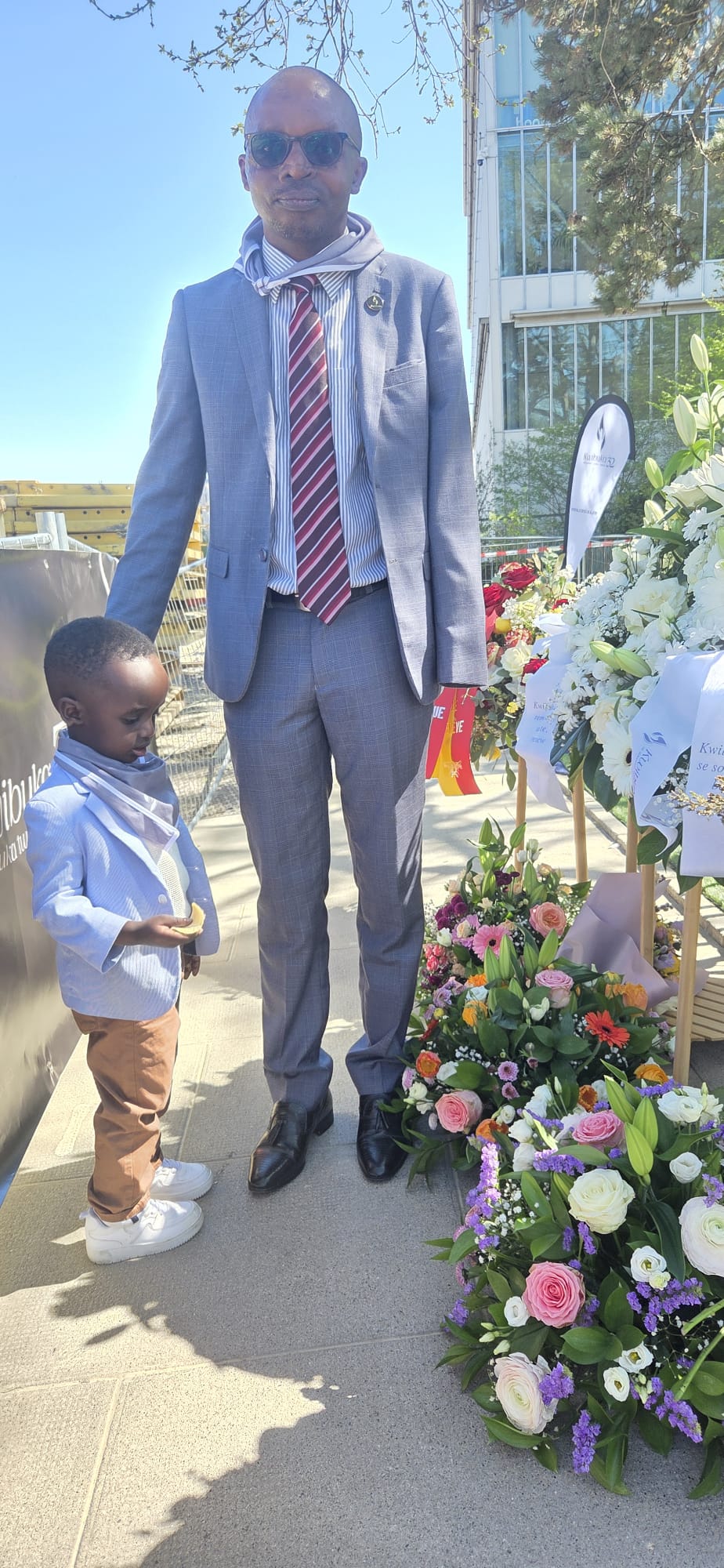
Memory passed to a new generation
Every April, the family remembers. For Révérien and Jeanne, Kwibuka is deeply personal. They remember parents, siblings, relatives, and the lives that were taken from both of their families.
As Ethan grows, he will learn their names and their stories. He will understand that they were not simply victims recorded in history. They were people who lived, loved, raised children, shared meals, dreamed about the future, and belonged to families that still speak their names.
This is how memory continues: survivors tell the truth, families preserve the names, and a new generation accepts the responsibility to remember.
The life they built
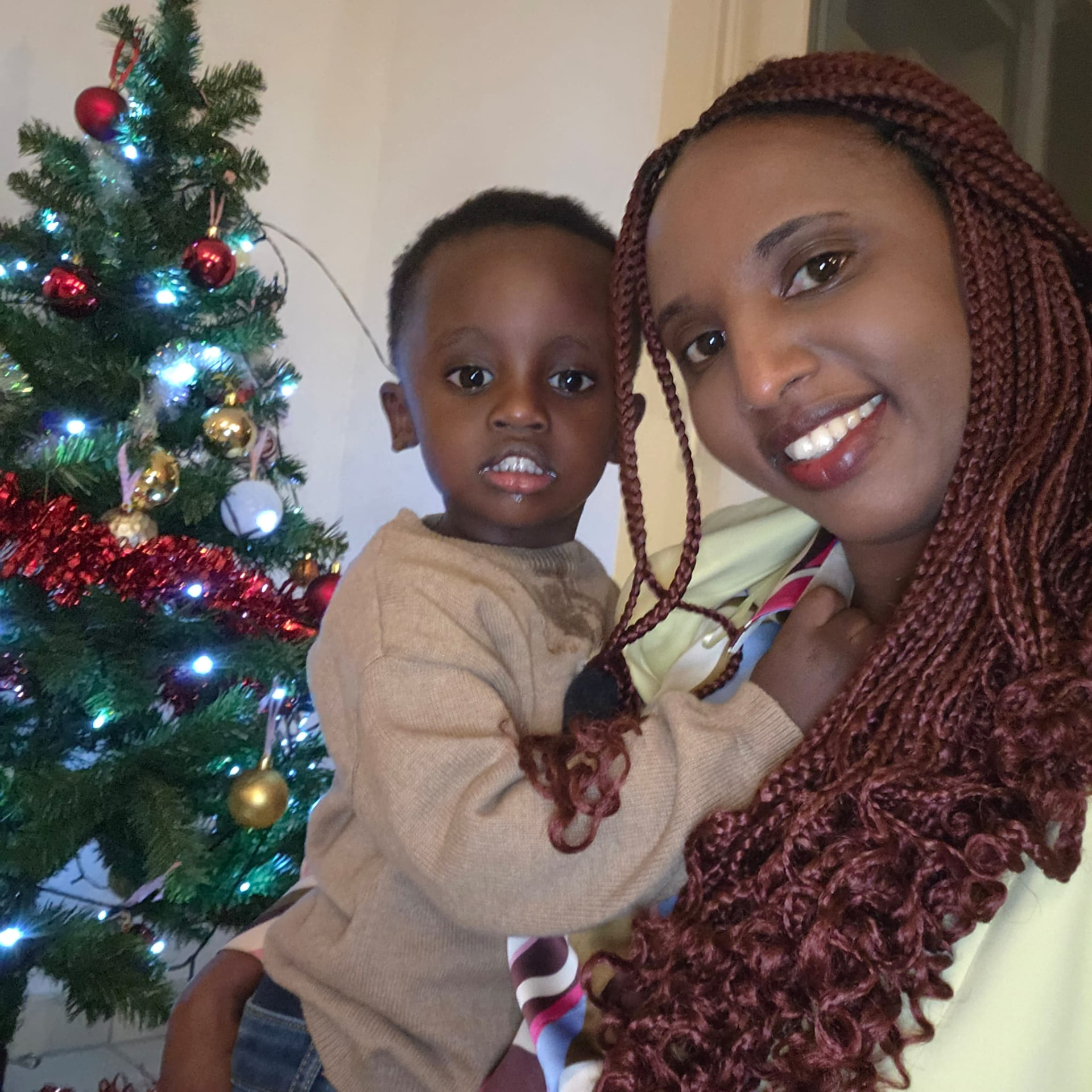
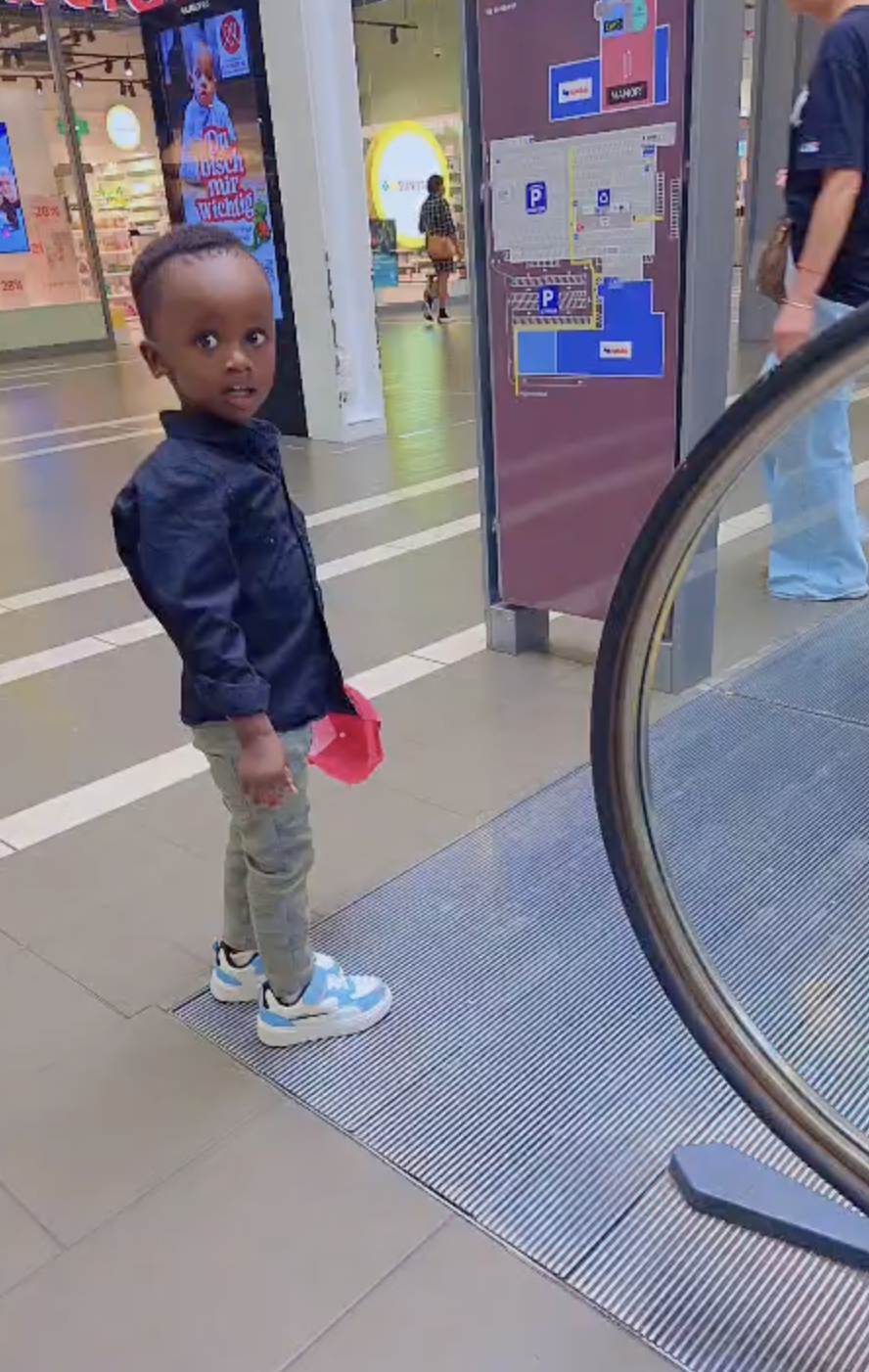
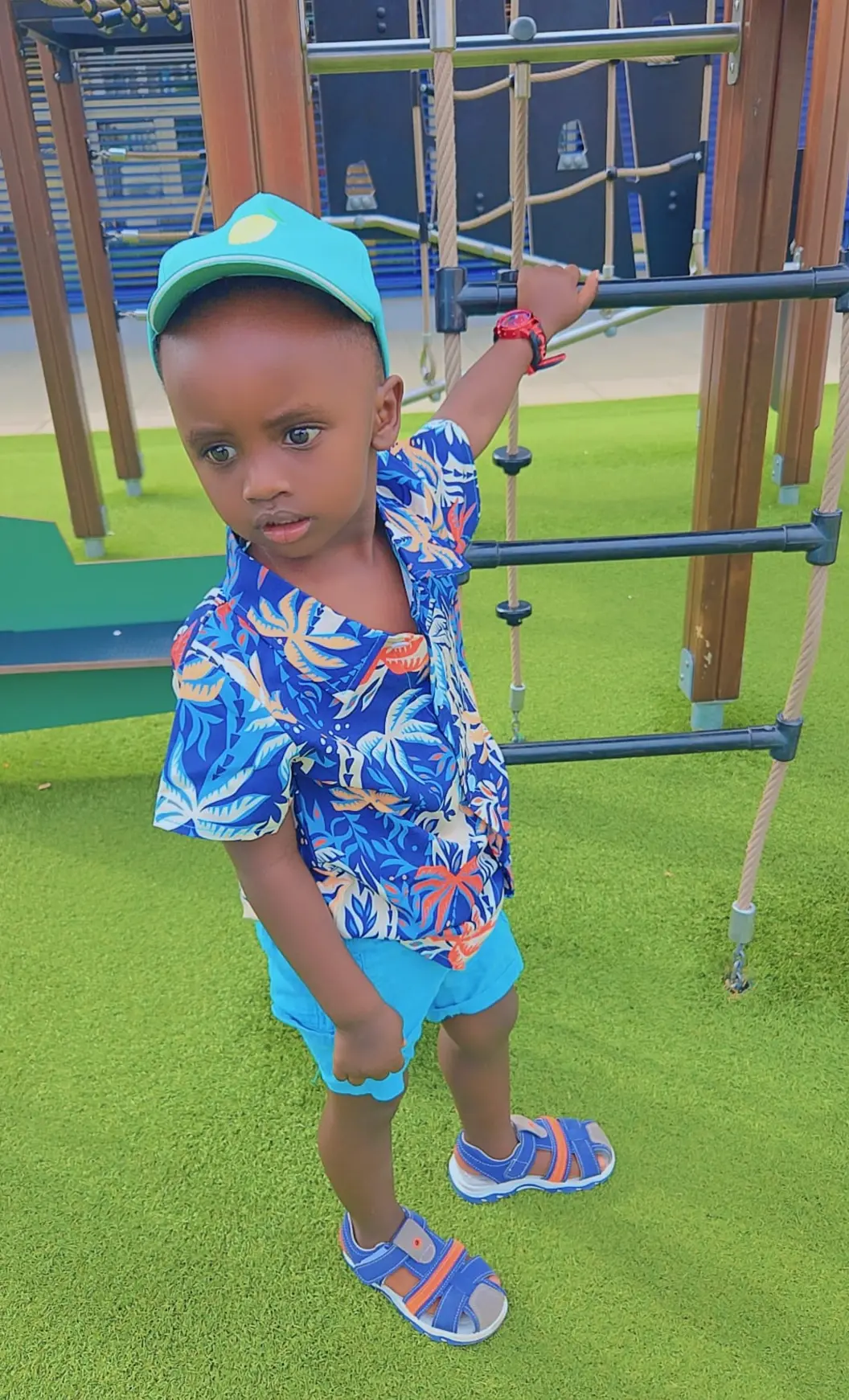
Ordinary light.
A garden. A family photograph. A child playing without fear. These moments may appear simple, but they carry profound meaning.
A future reclaimed
Two survivors. One family. A future reclaimed.
The perpetrators tried to destroy Révérien's family. They killed Jeanne's father and older sister and left her mother widowed. They intended to leave only grief and silence behind.
They failed.
Révérien and Jeanne found one another. Together, they built a family in which the people they lost are remembered, the truth is spoken, and a child can grow surrounded by love.
Their family is not a replacement for those who were murdered. It is a continuation of the love, dignity, and humanity that genocide could not erase.
Three names connected to many more.
Their family story is about survival, but it is also about what survivors create afterward: relationships, homes, memories, laughter, children, and a future that hatred tried — and failed — to prevent.
Why he speaks